

Course DetailsHome / Courses Details
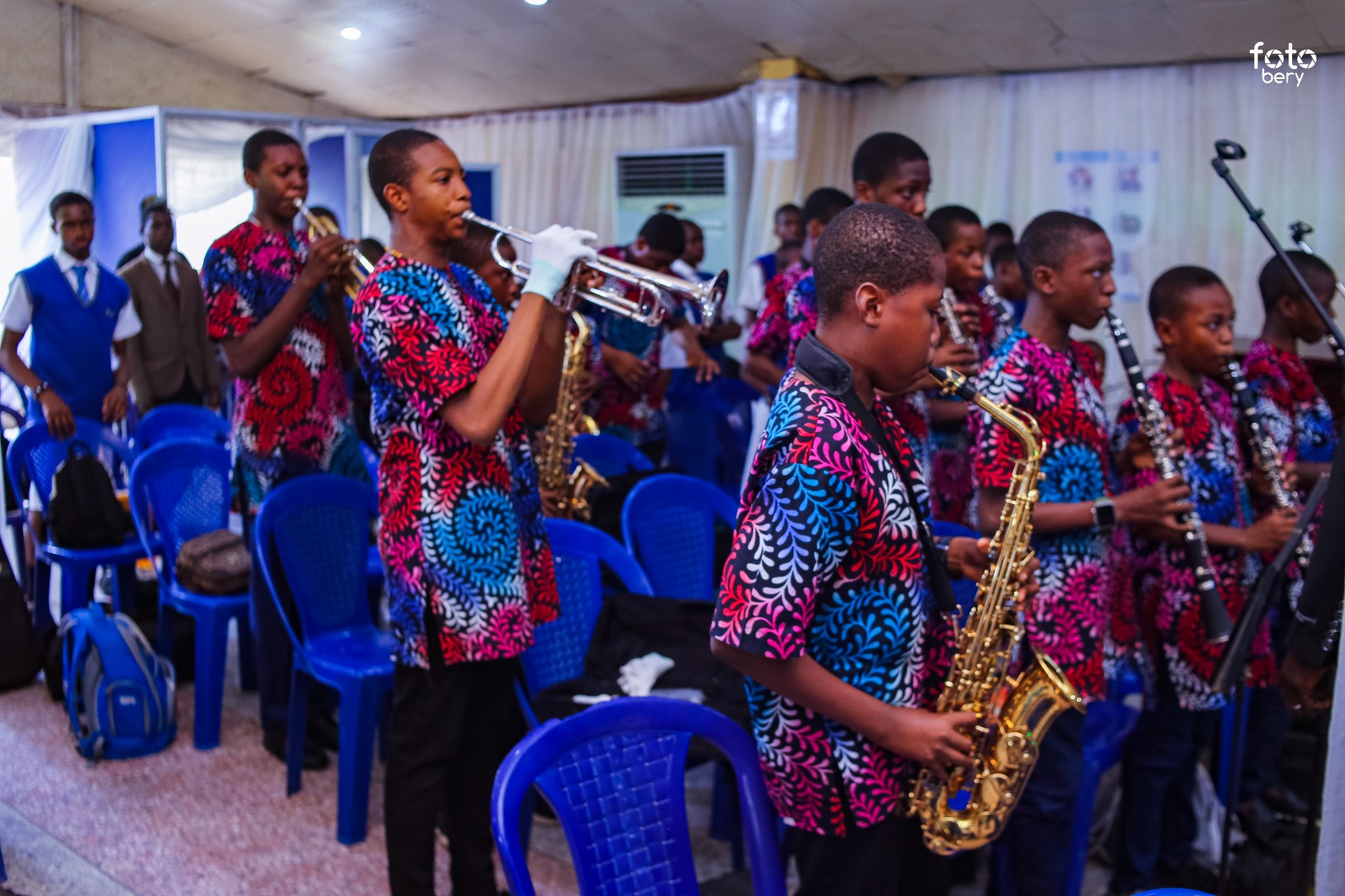
MUSIC
Music is the art and science of organizing sounds, rhythms, melodies, and harmonies to create meaningful and expressive compositions. It is a universal language that plays an important role in culture, education, entertainment, religion, and communication.
Studying music develops creativity, emotional intelligence, discipline, teamwork, and critical listening skills. Beyond performance, modern music education incorporates technology such as digital audio production, sound engineering, music software, and multimedia content creation.
Music can lead to careers in performance, composition, production, broadcasting, education, entertainment management, and digital media.
Module 1: Introduction to Music
- Definition and meaning of music
- History of music
- Elements of music
- Types of music
Module 2: Music Theory
- Musical notation
- Staff and clefs
- Scales and keys
- Chords and harmony
- Rhythm and meter
Module 3: Vocal Training
- Voice production
- Breathing techniques
- Sight singing
- Choral performance
Module 4: Instrumental Studies
- Piano
- Keyboard
- Guitar
- Violin
- Drums and percussion
- Wind instruments
Module 5: Music Composition
- Songwriting
- Melody creation
- Arranging music
- Orchestration
Module 6: Music Technology
- Digital Audio Workstations (DAWs)
- Audio recording
- Sound editing
- Music production
- MIDI technology
Module 7: Music Performance
- Stage performance
- Concert preparation
- Ensemble participation
- Audience engagement
Module 8: African and World Music
- Traditional African music
- Nigerian musical heritage
- Contemporary music genres
- Global music cultures
Module 9: Music Business
- Copyright and licensing
- Artist management
- Music marketing
- Digital streaming platforms
Academic Requirements
- Basic literacy skills
- Ability to read and write
- Interest in arts and creativity
Personal Skills
- Passion for music
- Discipline and practice
- Teamwork abilities
- Good listening skills
- Creativity and self-expression
Technical Requirements (for Music Technology)
- Basic computer literacy
- Interest in digital tools
- Familiarity with smartphones or computers
Musical Instruments
- Piano
- Keyboard
- Guitar
- Violin
- Trumpet
- Saxophone
- Drums
- Percussion instruments
Software
- FL Studio
- Ableton Live
- Logic Pro
- Cubase
- GarageBand
- Audacity
Learning Materials
- Music textbooks
- Theory workbooks
- Sheet music
- Practice recordings
Facilities
- Music laboratory
- Recording studio
- Practice rooms
- Performance hall
Online Learning Platforms
- Coursera
- Udemy
- YouTube Music Tutorials
- Berklee Online
Global Statistics
- The global music industry generates over $30 billion annually.
- Music streaming services account for more than 65% of music revenue worldwide.
- Over 600 million people subscribe to music streaming platforms globally.
Career Opportunities
- Musician
- Singer
- Composer
- Music Producer
- Sound Engineer
- Music Teacher
- Choir Director
- DJ
- Broadcast Presenter
- Music Therapist
- Entertainment Manager
Salary Potential
- Professional music producers can earn substantial income through production, royalties, and licensing.
- Successful artists generate income from streaming, concerts, endorsements, and merchandise.
Industry Growth
- Digital music production is one of the fastest-growing sectors in the entertainment industry.
- Demand for content creators, sound engineers, and music producers continues to increase due to social media and streaming platforms.